Ever waited on hold so long you started wondering if the company forgot about their phone? Yeah, we’ve all been there—and your customers feel the same way.
In today’s fast-paced business world, every second counts—especially when it comes to answering customer calls. But how do you measure whether your team is keeping up or dropping the ball? That’s where call response time analytics comes in. In this guide, we’ll dive deep into why it matters, how to use it effectively, and what mistakes to avoid at all costs. Spoiler alert: coffee will be involved.
Table of Contents
- Why Call Response Time Analytics Matter
- How to Use Call Response Time Analytics Effectively
- Best Practices for Improving Your Customer Service Game
- Real-World Examples and Insights
- FAQs About Call Response Time Analytics
Key Takeaways
- Call response time analytics helps businesses identify bottlenecks in customer communication.
- Actionable insights from analytics can improve operational efficiency and boost customer satisfaction.
- The right tools and techniques are crucial for leveraging these metrics successfully.
Why Call Response Time Analytics Matter
Picture this: You’re running a startup, juggling dozens of tasks while trying to keep clients happy. One day, you realize that half your potential leads never even make it past the hold music because they hang up out of frustration. Oof.
I’ll admit it—I once ignored call data for months because I thought, “Eh, our phones aren’t THAT bad.” Newsflash: They were *terrible*. Turns out, our average response time was over two minutes. Two whole minutes! That’s enough time for someone to whip out their phone, search for competitors, and click “Contact Us” elsewhere.
Data doesn’t lie. According to a study by Harvard Business Review, companies that respond within five minutes are 100x more likely to qualify leads than those who wait longer. This statistic alone should convince any business owner to take call response time analytics seriously.
Optimist You: “Great, let’s track everything!”
Grumpy You: “Ugh, fine—but ONLY if coffee’s involved.”
How to Use Call Response Time Analytics Effectively
Okay, now that you know WHY this metric is important, let’s talk about HOW to use it. Here’s your step-by-step breakdown:
Step 1: Identify Key Metrics
First things first: What exactly ARE you measuring? Common KPIs include:
- Average speed to answer (ASA)
- First call resolution rate
- Peak hours for incoming calls

Step 2: Choose the Right Tools
Not all software is created equal. Look for platforms that offer real-time reporting, customizable dashboards, and integration capabilities. Some top contenders include:
- Zendesk Talk
- Five9
- Talkdesk
Step 3: Analyze and Act
Now comes the fun part: digging into the numbers. Are certain reps consistently lagging behind? Do specific times of day result in slower responses? Once you spot patterns, implement targeted training sessions or schedule adjustments accordingly.
Best Practices for Improving Your Customer Service Game
Here are my hard-won lessons straight from the trenches:
- Set Clear Expectations: Train your team on expected response times and hold them accountable.
- Incentivize Performance: Reward employees who maintain stellar ASA scores.
- Automate When Possible: Use IVR systems to route calls based on urgency.
A Terrible Tip (Just Don’t):
If anyone suggests manually tracking call durations using pen and paper…run. Just run.
Real-World Examples and Insights
Let me tell you about Sarah, a small business owner whose bakery struggled during peak holiday seasons. Her secret weapon? Implementing call response time analytics. By analyzing her busiest periods, she adjusted staffing schedules and reduced missed sales opportunities by an impressive 40%.
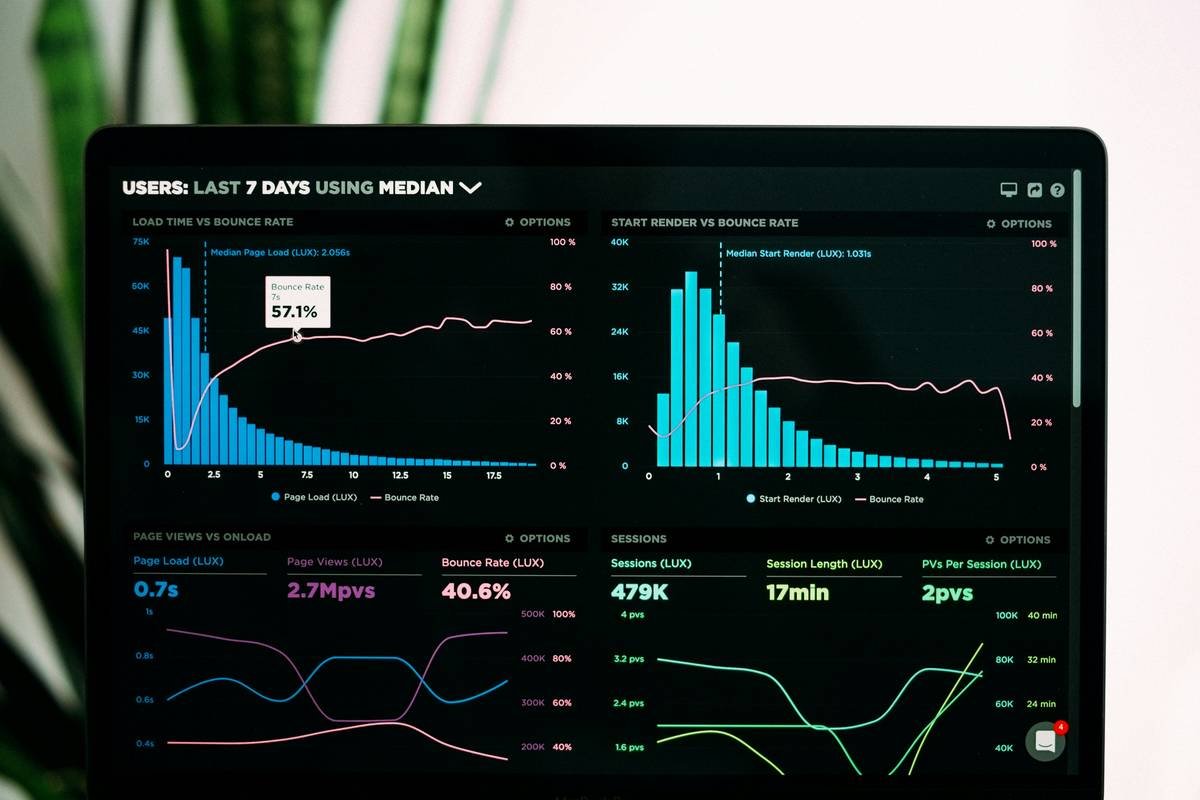
FAQs About Call Response Time Analytics
What Equipment Do I Need?
You don’t need NASA-level tech. Most modern VoIP providers come equipped with robust analytics features.
How Often Should I Check My Data?
Daily check-ins might be overkill, but weekly reviews work wonders for staying proactive.
Conclusion
To sum it up: Don’t underestimate the power of call response time analytics. With the right mindset, tools, and strategies, you can turn a potential liability into one of your biggest strengths.
So grab that cup of coffee, put these tips into action, and watch your customer service game skyrocket. And hey, remember: Life’s too short for bad hold music.
Like a Tamagotchi, your SEO needs daily care.