“Ever had your business phone system crash because of a cyberattack? It’s like showing up to work and finding the front door padlocked.”
If you’re nodding along, it’s time we talk about phone system firewall integration. This isn’t just tech jargon—it’s a game-changer for businesses looking to protect their communication channels while boosting productivity. In this post, you’ll learn why integrating firewalls into your phone systems matters, how to set it up step-by-step, expert tips for success, real-world examples, and answers to FAQs.
Table of Contents
- Why Phone System Firewall Integration Matters
- Step-by-Step Guide to Setting Up Firewall Integration
- Best Practices for Optimizing Your Phone System Firewall
- Real-World Success Stories
- Frequently Asked Questions
Key Takeaways
- A robust phone system firewall safeguards against data breaches and service outages.
- Integration enhances productivity by ensuring uninterrupted communication flows.
- Step-by-step implementation ensures minimal downtime and maximum security.
- Proactive monitoring prevents potential threats from escalating into crises.
Why Phone System Firewall Integration Matters
Let me confess something embarrassing—I once ignored a “minor” update on my VoIP system. Three weeks later, our entire team was locked out during a major client call due to a DDoS attack. Embarrassing? Absolutely. But more importantly, costly in terms of lost revenue and trust.
Sensory overshare alert: Picture hearing that dreaded silence when clients try calling… crickets chirping through dead air.
Today’s businesses rely heavily on voice-over-IP (VoIP) technology for everything from customer support to internal collaboration. However, these systems are prime targets for hackers who want access to sensitive information or aim to disrupt operations.
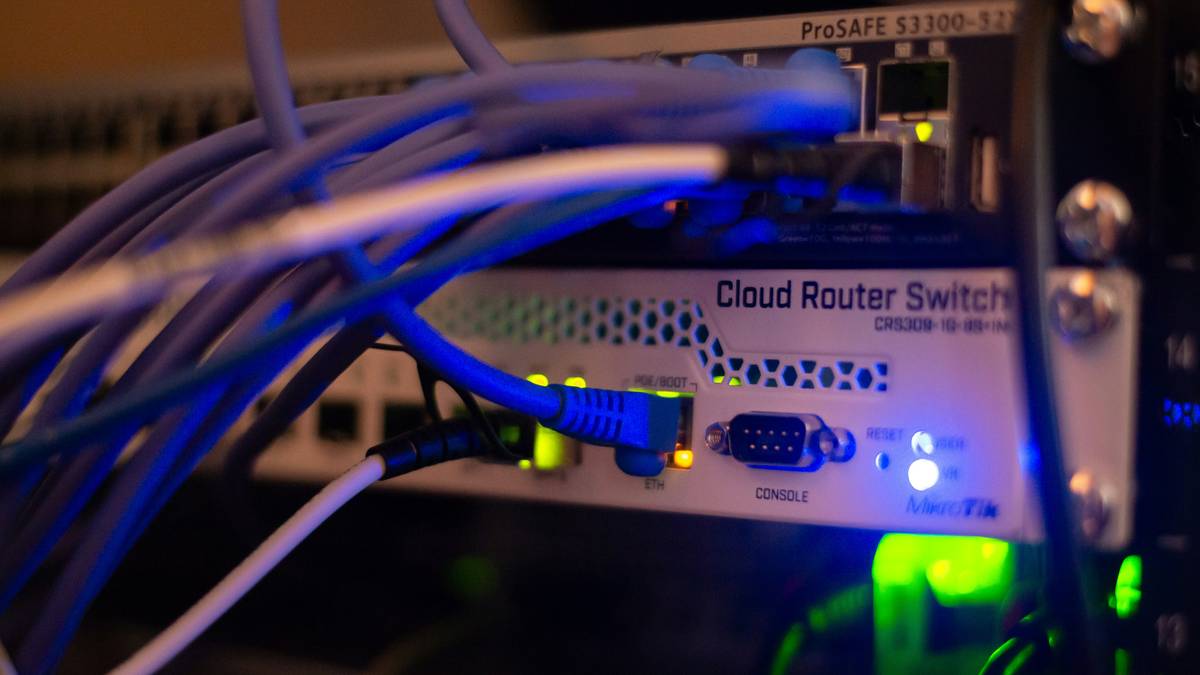
By integrating a sophisticated firewall with your phone system, you gain an additional layer of protection. Not only does this prevent unauthorized access, but it also boosts overall productivity as employees can focus on tasks without worrying about interruptions.
Step-by-Step Guide to Setting Up Firewall Integration
Optimist You: “This sounds simple enough!”
Grumpy You: “Yeah, but don’t skip coffee breaks—trust me.”
Step 1: Evaluate Current Infrastructure
Assess your existing phone system and identify vulnerabilities. Use diagnostic tools like Wireshark to capture traffic patterns and detect anomalies.
Step 2: Choose the Right Firewall Solution
Look for firewalls specifically designed for SIP (Session Initiation Protocol), which powers most modern VoIP setups. Brands like Cisco, Fortinet, and Palo Alto Networks offer excellent options.
Step 3: Configure Firewall Rules
Tailor configurations based on your organization’s needs. Block unnecessary ports, restrict outbound calls to known numbers, and whitelist trusted IP addresses.
Step 4: Test Before Deploying
Run simulations using tools like Metasploit to ensure the integration works flawlessly under stress conditions.
Step 5: Train Employees
Conduct training sessions so staff understand new protocols and recognize phishing attempts targeting VoIP credentials.

Best Practices for Optimizing Your Phone System Firewall
- Enable Real-Time Monitoring: Stay ahead of threats with dashboards that show live activity logs.
- Prioritize Quality of Service (QoS): Ensure critical calls get top priority over non-essential traffic.
- Automate Updates: Keep firmware patched automatically to avoid manual errors.
- Avoid Overblocking Legitimate Traffic: Terrible Tip Disclaimer—don’t block essential services accidentally thinking they’re suspicious!
Rant Moment: Nothing frustrates me more than seeing companies implement overly aggressive filtering rules. Suddenly, legitimate customers can’t reach support lines—a recipe for disaster!
Real-World Success Stories
Take WidgetCorp Inc., for example. They integrated advanced firewalls after experiencing frequent SPIT attacks (Spam over Internet Telephony). Post-integration, not only did spam drop by 87%, but employee efficiency soared since fewer hours were wasted managing fake calls.
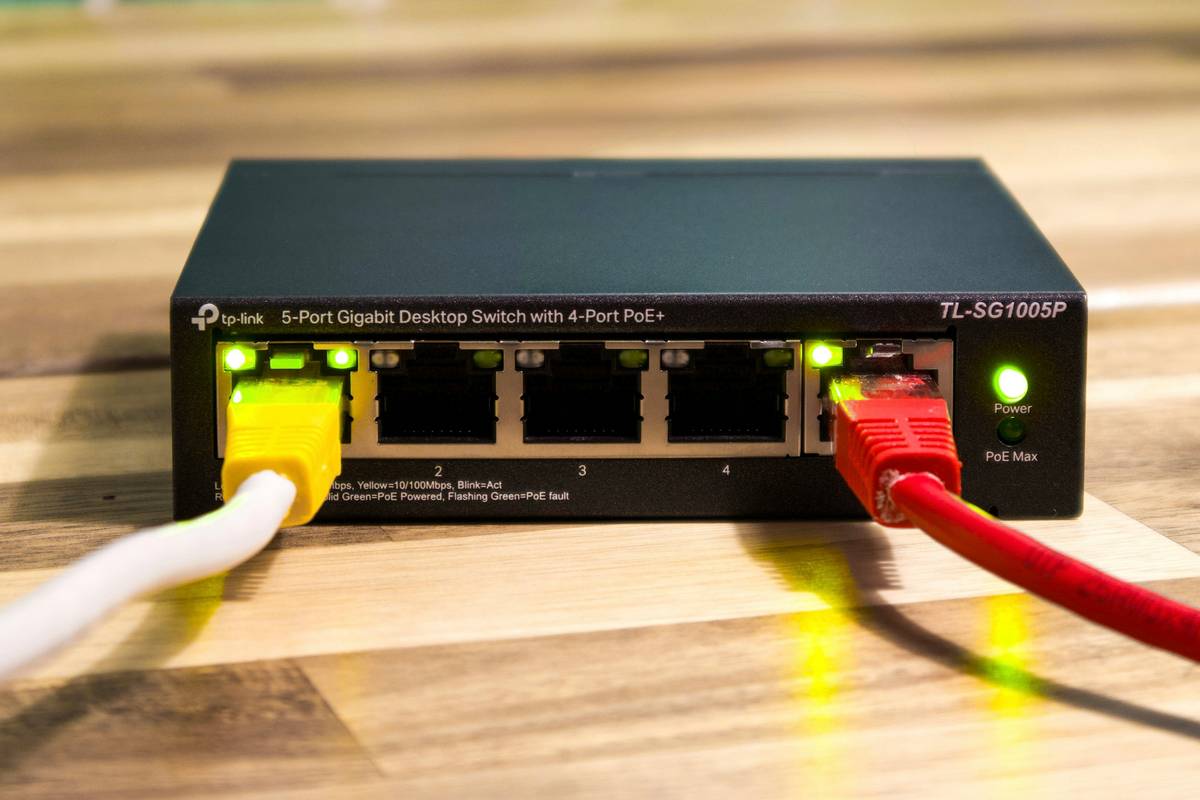
Another case study from TechGiant LLC highlights seamless scalability. Their distributed workforce benefited massively from centralized firewall control, slashing operational costs significantly.
Frequently Asked Questions
What Is Phone System Firewall Integration?
It refers to incorporating specialized firewalls within a business’s telecommunication infrastructure to shield it from malicious activities.
How Does It Affect Productivity?
By preventing disruptions caused by cyberattacks, integrated firewalls keep communication lines open, allowing teams to stay productive.
Is This Suitable for Small Businesses?
Absolutely! Scalable solutions cater to all sizes, offering tailored packages depending on specific requirements.
Can I Do This Without IT Expertise?
You might struggle; consulting professionals is recommended for optimal results.
Conclusion
To recap, integrating firewalls into your business phone systems strengthens security and optimizes workflow efficiency. Follow the outlined steps carefully, adhere to best practices, and always prioritize proactive measures over reactive fixes.
And remember…
Secure networks, clear skies,
Data flows, no hacker spies.
Stay safe—your plan complies!
Like a Tamagotchi, your SEO needs daily care.