
Hook: Ever picked up a business call, only to realize your legacy system is about to crash mid-conversation? Yeah, it’s like the sound of your laptop fan during a 4K render—whirrrr. But fear not, because today we’re diving deep into how you can seamlessly integrate your old-school phone system with the latest tech, ensuring you stay productive and efficient.
Purpose & Preview
This post will cover everything you need to know about business phone legacy system integration, from understanding the importance of modernizing your communication tools to step-by-step guides and best practices. You’ll learn how to:
- Understand the critical importance of integrating legacy systems.
- Follow a step-by-step guide to seamless integration.
- Explore tips and best practices for maximizing productivity.
- See real-world success stories and case studies.
- Get answers to common FAQs.
Table of Contents
Key Takeaways
- Legacy systems can be a bottleneck for productivity and efficiency.
- Integration with modern technology can enhance communication, streamline workflows, and boost customer satisfaction.
- By following a structured approach, you can minimize disruption and maximize benefits.
Section 1: Why Legacy Systems Can Be a Pain in the Backside
Let’s face it, legacy phone systems are like that old, comfy chair in your office. It’s familiar, but it’s also a little bit broken and creaky. In a fast-paced business environment, these systems can hold you back more than they help. Imagine trying to scale your operations when your phone lines can’t handle the load. Or worse, what if a client calls and gets dropped mid-conversation? That’s not just a technological issue; it’s a hit to your reputation.

Section 2: Step-by-Step Guide to Business Phone Legacy System Integration
Optimist You:* ‘Follow these steps to integrate your legacy system!’
Grumpy You: ‘Ugh, fine—but only if coffee’s involved.’
Step 1: Assess Your Current Setup
Start by taking a good, hard look at your current system. What kind of infrastructure do you have? Are you using analog lines, or maybe an old PBX system? Understanding where you stand is the first step to moving forward.
Step 2: Identify Your Needs
What do you want out of your new system? Do you need features like call forwarding, voicemail-to-email, or even video conferencing? Make a list of must-haves and nice-to-haves.
Step 3: Choose the Right Technology
There are plenty of options out there, from VoIP to Unified Communications (UC) solutions. Research and find the one that fits your needs and budget. Pro tip: Don’t go for the cheapest option; sometimes, you get what you pay for.
Step 4: Plan the Transition
Transitioning to a new system can be a headache, but with a solid plan, you can minimize disruptions. Schedule the transition during off-peak hours and make sure you have a backup plan in case something goes wrong.
Step 5: Test and Train
Once the new system is in place, test it thoroughly. Make sure all features work as expected and that your team knows how to use them. Training is key to getting the most out of your new system.
Section 3: Tips and Best Practices for Seamless Integration
- Involve Your Team Early: Get input from your staff on what features they need and involve them in the testing phase. This way, you can address any issues before they become major problems.
- Choose a Reliable Provider: Go with a provider that has a good track record and offers excellent support. The last thing you want is to be stuck with a system that no one can help you fix.
- Keep It Simple: Don’t overcomplicate things. Start with the basics and add more features as needed. This helps prevent overwhelm and ensures a smoother transition.
- Regular Maintenance: Keep your system up-to-date with regular updates and maintenance. This helps prevent issues and keeps your system running smoothly.
Section 4: Real-World Success Stories
Let’s take a look at some real-world examples of businesses that successfully integrated their legacy phone systems with modern technology.
Case Study 1: ABC Company
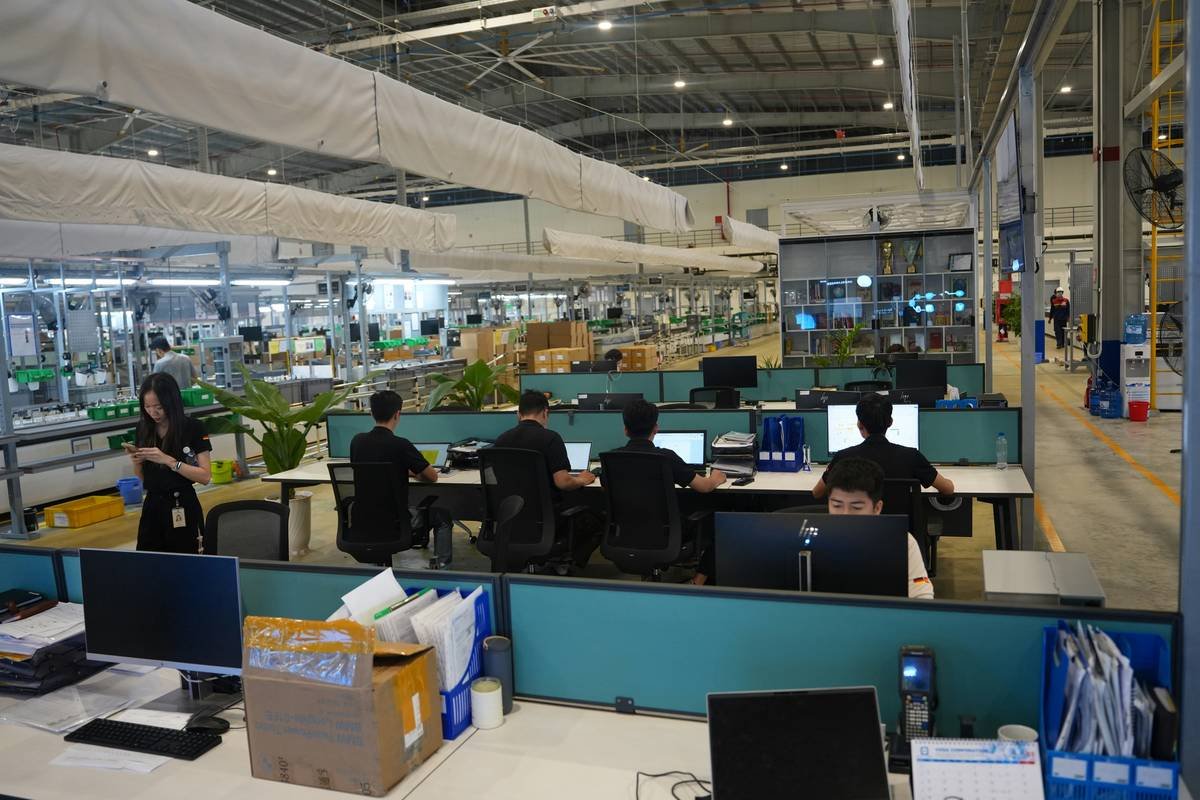
ABC Company, a mid-sized enterprise, was struggling with an outdated PBX system. They decided to switch to a VoIP solution. After a smooth transition, they saw a 30% reduction in call handling times and a 20% increase in customer satisfaction. Here’s a before-and-after comparison:
Section 5: FAQs – Answering Your Burning Questions
Q: How much does it cost to integrate a legacy phone system?
The cost can vary depending on the size of your business and the complexity of your current system. Generally, it ranges from $500 to $5,000 per user. However, the long-term savings and benefits often outweigh the initial investment.
Q: What are the main benefits of integrating a legacy phone system?
Integrating your legacy phone system with modern technology can provide several benefits, including improved communication, increased productivity, better customer service, and reduced operational costs.
Q: How long does the integration process usually take?
The integration process can take anywhere from a few weeks to a few months, depending on the size of your organization and the complexity of the system. Proper planning and testing are key to a successful and timely transition.
Conclusion
Integrating your business phone legacy system with modern technology is a smart move that can significantly improve your productivity and customer satisfaction. By following the steps and best practices outlined in this guide, you can make the transition smoother and more effective. Remember, while it may seem like a daunting task, the end result is well worth the effort.
Like a Tamagotchi, your business phone system needs daily care and attention to thrive. So, take the leap and start integrating—your future self (and your clients) will thank you.
Terrible Tip Disclaimer: Don’t just plug in and hope for the best. While it might seem tempting to skip the planning and testing phases, doing so can lead to major headaches and disruptions. Trust us, it’s not worth the hassle.
Rant Section: One of my biggest pet peeves is when businesses ignore their legacy systems until they absolutely have to do something about them. It’s like waiting for a flat tire to happen instead of regularly checking your tires. Don’t let your communication system fall into the same trap. Regular maintenance and proactive upgrades are key to avoiding major breakdowns and keeping your business running smoothly.